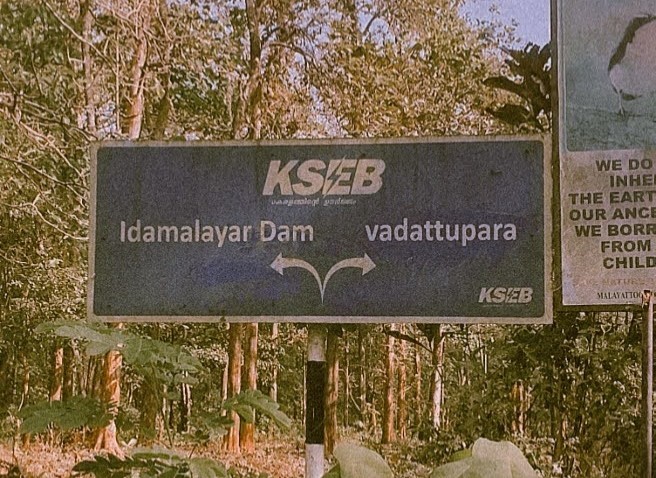
Best Time to Visit Vadattupara: Season by Season Breakdown
Ask ten people who’ve been to Vadattupara Waterfall when you should go, and you’ll probably get ten slightly different answers and honestly, they’re all a little right. That’s because Vadattupara isn’t a static postcard image; it’s a waterfall that genuinely changes personality across the year. The version that greets you in July, roaring and half-hidden in mist, has almost nothing in common with the calm, shallow trickle you’ll find in April. Neither version is objectively “better” it depends entirely on what you’re chasing: raw drama, safe family bathing, good photography light, or a quiet, uncrowded escape. This guide breaks Vadattupara down month by month and season by season, using the actual climate patterns of the Kothamangalam–Kuttampuzha belt in Ernakulam district, so you can pick the visit that actually matches what you want out of the trip.
Understanding Vadattupara’s Climate Pattern First
Before getting into the seasonal breakdown, it helps to understand the broader weather rhythm of the region Vadattupara sits in. Ernakulam district follows a fairly classic Kerala tropical monsoon pattern: the rains typically arrive around late May and linger, in one form or another, until November. Peak monsoon intensity hits between June and August, with August generally recording the highest humidity levels in the district. This isn’t just trivia it directly determines how much water is actually flowing over Vadattupara’s rocks on any given visit, how slippery the terrain gets, and how comfortable the drive in through Kuttampuzha’s forest roads will be.
With that backdrop, here’s how the year plays out at the falls.
Monsoon Season (June to September): Peak Power, Peak Caution
This is Vadattupara at its most photogenic and most talked-about. Once the southwest monsoon sets in properly, usually by mid-to-late June, the falls swell dramatically. The thin cascades you might see in a summer photo turn into a full, forceful sheet of water crashing over the rocks, and the entire approach plantations, forest canopy, the drive from Bhoothathankettu turns an almost unreal shade of green. If your goal is to see Vadattupara “at its best” in the classic postcard sense, this is unambiguously the window most seasoned Kerala travelers point to.
But this intensity comes with real trade-offs, and they’re not the kind to gloss over:
- The rocks become significantly more slippery, and the current in the deeper pools picks up considerably. Several visitor accounts specifically flag July and August as the months where caution needs to be highest.
- Roads leading in can get muddy and rutted, particularly the narrower forest stretches, which matters if you’re riding a two-wheeler rather than driving a car.
- Leech activity and general forest dampness increase, which is worth planning footwear and clothing around.
- Visibility during heavy spells can drop, and sudden downpours aren’t unusual, so flexibility in your day’s schedule helps.
If you do choose monsoon, aim for the earlier part of the season (mid-June to early July) or a lull between spells, rather than the absolute peak of August when rainfall is heaviest across the district. And treat swimming plans as conditional decide once you see the actual flow that day, not before.
Post-Monsoon (October to November): The Sweet Spot
If there’s a single “best all-round” window for Vadattupara, this is probably it, and it’s the one that gets recommended less often simply because it’s less dramatic to talk about than monsoon. By October, the heaviest rains have retreated, but the region hasn’t dried out yet streams are still well-fed, the waterfall retains a strong, healthy flow, and the forest is still lush from months of rain. Crucially, the rock surfaces are noticeably less treacherous than they are in July or August, since the days between rain spells are longer.
This period also tends to bring:
- More comfortable daytime temperatures, without the punishing humidity spikes of peak monsoon.
- Clearer skies for photography, since the near-constant grey cloud cover of June–August starts to break up.
- Better road conditions for the drive in via Kuttampuzha, which matters if you’re on a bike.
- A reasonable balance of water volume and safety, making it a strong choice for families who want to see the falls in good form without monsoon-level risk.
If your trip has any flexibility at all, late September through November is worth strongly considering it’s the compromise that gives you most of the visual payoff of monsoon with a noticeably calmer edge.
Winter (December to February): Calm, Cool, and Underrated for Wildlife
Winter in this part of Ernakulam is genuinely pleasant cooler mornings, lower humidity, and generally clear, comfortable days that make the drive through the forest stretch far more enjoyable than during the muggier months. The waterfall’s flow has tapered from its monsoon peak by this point, but it’s still typically active enough to be worth the trip, especially if you’re not chasing maximum volume.
What makes winter genuinely underrated for this region isn’t just the weather it’s the proximity to Thattekad Bird Sanctuary. Cooler months coincide with better birdwatching conditions in the area, so if you’re planning to combine your Vadattupara trip with some time at Thattekad, this is the season that rewards that pairing best. It’s also a good window if you’re specifically trying to avoid monsoon-season crowds and slippery conditions but still want a pleasant, scenic outing rather than a peak-summer one.
Winter is arguably the most “comfortable” season across the board for driving, for walking around the site, and for spending longer at the falls without dealing with heat or heavy rain.
Summer (March to May): Quiet, Warm, and Thinner Water Flow
Summer is the trade-off season. By March, the waterfall’s flow has usually reduced considerably compared to its monsoon and post-monsoon form, and in particularly dry years it can thin out quite noticeably by April and May. Daytime temperatures in the district climb steadily through this period, sometimes touching the mid-30s Celsius, with high humidity making the heat feel more intense than the number suggests.
That said, summer isn’t without its appeal:
- Crowds are typically thinnest, since this isn’t when most tourists are chasing waterfalls in Kerala.
- The rocks are at their driest and least slippery, which matters if safety is your top priority over visual drama.
- It pairs reasonably well with an early-morning visit, since heat builds through the day and mornings remain relatively cool.
If your priority is simply a peaceful outing rather than a powerful waterfall experience, an early summer weekday visit before the peak heat of April and May sets in can still be worthwhile. Just go in with the right expectation: this is the season for a gentle stream, not a roaring cascade.
So, What’s Actually the Best Time?
If you had to boil it down to one answer: late September through November offers the best overall balance of strong water flow, manageable safety conditions, pleasant weather, and good road access. Monsoon (June–August) wins on pure visual drama but demands real caution and a tolerance for mud, humidity, and slippery rocks. Winter (December–February) is the most comfortable all-round season and pairs beautifully with a Thattekad birding trip. Summer (March–May) is the quietest and safest in terms of terrain, but you’ll be trading that for a noticeably thinner waterfall.
A useful way to think about it: decide first what you actually want from the trip. Chasing photographs and raw power → go in July, but respect the water. Want the fullest experience with a real safety margin → aim for October or November. Want a calm, cool day out, possibly combined with birdwatching → pick a winter weekend. Just want a quiet, low-risk outing without much crowd → an early summer morning works fine.
Practical Tips for Any Season
A few things stay constant no matter when you go. Early mornings, generally before 9 AM, give you the calmest atmosphere and the best light regardless of the month. Weekdays are consistently quieter than weekends across every season. Footwear with real grip is non-negotiable once there’s any moisture on the rocks, which realistically means most of the year outside peak summer. And since there are no shops or restaurants at the site itself, carrying your own water and snacks is a good habit whatever month you visit.
Vadattupara rewards a little planning far more than most Kerala waterfalls, mostly because it hasn’t been smoothed over for mass tourism yet. Match your visit to the season that fits what you’re after, and you’ll come away with the version of the falls that suits you best whether that’s the thunder of monsoon or the quiet gold light of a winter morning.