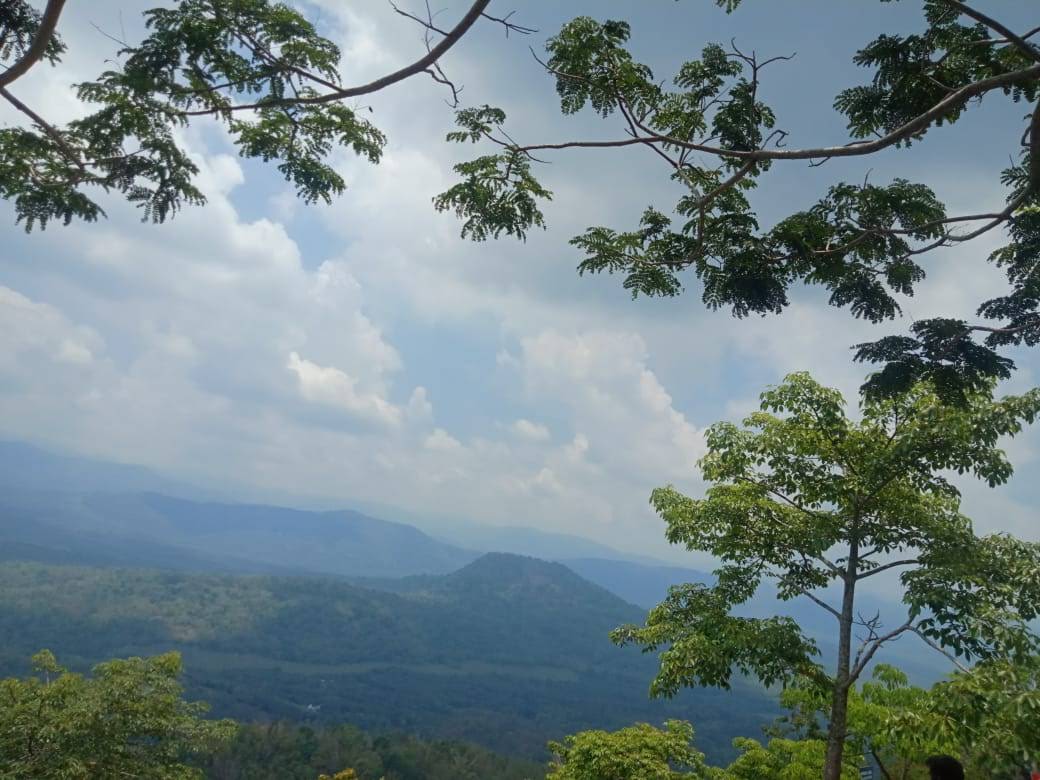
Vadattupara Photography Guide: Best Spots & Times
Vadattupara has quietly become a favorite backdrop for Malayalam cinema, and the same qualities that draw filmmakers here, dramatic natural light, dense untouched forest, a waterfall that changes character across the seasons, make Vadattupara photography just as rewarding. Here’s how to actually plan a shoot rather than just showing up and hoping.
Why Vadattupara Works So Well on Camera
The forest canopy here creates naturally diffused light that’s difficult to replicate artificially, useful for both dramatic wide shots and softer detail work. Combined with minimal commercial development, no power lines, signage, or modern intrusions to frame around, it’s one of the cleaner natural backdrops left in Ernakulam district. For more on its cinematic reputation, see our guide to Vadattupara’s movie shooting locations.
Best Times of Day to Shoot
Early morning, before 9 AM, is consistently the best window. Light is softer, crowds (on the rare occasion there are any) are thinnest, and mist often still lingers over the water in cooler months, adding real atmosphere to shots.
Late afternoon is the second-best option if mornings aren’t possible, though the light here is harsher and less consistent than the golden window at dawn.
Avoid midday entirely if you can. Harsh overhead light flattens the forest’s natural depth and creates blown-out highlights on the water.
Best Season for Different Shots
Monsoon (June–September): If you want the falls at their most dramatic, full volume, forceful spray, deep green surroundings, this is your season. Be aware that shooting conditions are genuinely more difficult here, rain, mist, and slippery footing all complicate handling gear. Protect your equipment accordingly and prioritize the earlier part of the monsoon over peak August intensity.
Post-monsoon (October–November): Arguably the best all-round season for photography. Water flow is still strong, skies are clearing up from the near-constant monsoon cloud cover, and rock surfaces are safer to navigate with a tripod or heavier gear.
Winter (December–February): Clearer skies and comfortable shooting conditions throughout the day. This is also the season to combine a Vadattupara shoot with birdwatching photography at nearby Thattekad Bird Sanctuary, cooler months bring noticeably better birding activity.
Summer (March–May): The waterfall thins out considerably, less dramatic for the falls themselves, but the drier terrain and thin crowds make it a good season for forest and wildlife-focused photography instead.
For the full month-by-month conditions breakdown, see our Best Time to Visit Vadattupara guide.
What to Shoot Beyond the Waterfall
The forest trails. Rocky streams winding through bamboo groves offer quieter, more textured compositions than the main waterfall, and far fewer people in frame.
Wildlife and birdlife. Rare butterflies, including mud-puddling species that gather near damp riverbanks, and exotic birds along the Periyar river corridor offer strong subject matter if you’re equipped for wildlife photography. See our forest and wildlife guide for what to look for and when.
Bhoothathankettu Dam, 14 km away, offers a different kind of shot entirely, wide reservoir views and reflective water, a good contrast to the dense forest compositions at Vadattupara itself.
Gear and Practical Tips
- A weather-sealed camera body is worth it if you’re shooting monsoon or near the waterfall’s spray zone.
- A tripod helps for long-exposure waterfall shots, but bring one with solid grip given the uneven, sometimes wet terrain.
- A dry bag or rain cover for your gear, moisture is a near-constant factor here outside peak summer.
- A polarizing filter cuts glare off wet rocks and water, particularly useful for waterfall shots in bright conditions.
- Sturdy, grippy footwear, non-negotiable when you’re moving around wet rocks with expensive gear in hand.
A Note on Respecting the Location
Part of what makes Vadattupara so photogenic is that it hasn’t been overrun or modified for visitors. Stick to marked trails, avoid disturbing wildlife for a shot, and carry out everything you bring in. The same untouched quality that makes for a great photograph is worth preserving for the next person’s shot too.
Planning a Photography Trip
If you’re planning a dedicated photography visit, an overnight stay at one of the nearby homestays is worth considering, it means you can catch the best early-morning light without a long drive beforehand. Combine it with the forest trails and, in winter, a side trip to Thattekad for birding shots, and you’ve got a genuinely varied shoot across a single trip.
Questions about the best timing for your specific shoot? Reach out on WhatsApp and we’ll help you plan around light and season.
Getting the Most Out of a Vadattupara Photography Trip
Good Vadattupara photography comes down to timing more than gear. Show up at the right hour in the right season, and even a basic setup will outperform an expensive kit used at the wrong time of day.
Frequently asked questions
When is the best time of day for vadattupara photography?
Early morning before 9 AM is consistently the best window because the light is softer, crowds are thinnest and mist often still lingers over the water, adding atmosphere. Late afternoon is the second‑best option if you can’t make sunrise, though the light is harsher and less consistent. It’s best to avoid midday, as the harsh overhead light flattens depth and creates blown‑out highlights on the water.
Which season gives the most dramatic waterfall shots at Vadattupara?
The monsoon months from June to September give the most dramatic waterfall shots, with full‑volume flow, forceful spray and deep‑green surroundings. Shooting then is more difficult because of rain, mist and slippery footing, so you’ll need to protect your gear and it’s safer to aim for the earlier part of the monsoon rather than the peak intensity in August.
What essential gear should I bring for a Vadattupara photography shoot?
Bring a weather‑sealed camera body if you’ll be near the spray or shooting in monsoon, a sturdy tripod with good grip for long‑exposure waterfall shots, a dry bag or rain cover to keep gear dry, a polarizing filter to cut glare off wet rocks and water, and non‑slip, grippy footwear for moving on wet, uneven terrain.
Besides the waterfall, what other subjects can I photograph at Vadattupara?
You can explore the forest trails with rocky streams winding through bamboo groves for textured compositions, look for wildlife such as rare butterflies and exotic birds along the Periyar river corridor, and travel 14 km to the nearby Bhoothathankettu Dam for wide reservoir and reflective water shots that contrast with the dense forest scenes.
How can I plan my trip to catch the best early‑morning light at Vadattupara?
Consider staying overnight at a nearby homestay so you can reach the site before sunrise, eliminating a long drive and letting you capture the soft early‑morning light. This also gives you time to explore the forest trails and, in winter, add a side trip to Thattekad Bird Sanctuary for bird‑watching shots.